
In the world of interior design, your portfolio speaks louder than any resume.Read More
Decorative panelling is more than just a visual feature—it’s a functional design tool. It adds texture, depth, and character to walls while subtly influencing how a room feels. Whether it’s traditional wainscoting, contemporary slat walls, or bold geometric panels, mastering this skill reflects a designer’s understanding of both history and innovation. Incorporating decorative panelling into your projects can demonstrate your ability to balance aesthetic appeal with practical solutions. It is a versatile technique that works across various styles—from minimalist Scandinavian to ornate classical interiors. For aspiring or established designers, it also signals an ability to elevate basic spaces into premium environments. To truly excel with decorative panelling, it’s essential to develop a keen eye for proportion, symmetry, and material choice. Start by studying the different types—raised panels, shiplap, beadboard, slatted panels, and more. Understand how each style complements or contrasts with architectural elements and furniture pieces. Practice is crucial. You can begin by redesigning your own space or collaborating on mock projects. Use 3D rendering software to explore how panels look under different lighting or in various layouts. This hands-on approach not only builds your confidence but also generates high-quality content for your portfolio. Clients seek out designers who can bring both beauty and value to their spaces. Decorative panelling is a strong asset in this regard. It offers an affordable way to add luxury and character without relying on high-end finishes. When discussing concepts with clients, presenting panelling options—along with mood boards and material samples—can significantly enhance your professional image. It also provides opportunities for upselling. Suggesting full-wall panels, ceiling extensions, or integrated shelving with panelling can increase your project scope and income while delivering added value to the client. As with any design element, it’s not enough to just use decorative panelling—you must capture it beautifully. Invest in professional photography to highlight panel textures, lighting interaction, and overall room balance. Before-and-after shots, construction stages, and material samples also enrich your portfolio and communicate your process. Include brief case studies that explain the design choices, materials used, and client objectives. This not only reflects your creative thinking but also positions you as a designer who considers function, budget, and emotion in every project. Trends in panelling evolve, and staying current is vital. Subscribe to design journals, attend workshops, and visit showrooms to keep learning. Incorporate new materials like acoustic felt, glass panels, or eco-friendly composites to diversify your approach. By showing versatility and staying informed, you’ll position yourself as a future-ready designer who adapts while maintaining timeless appeal. Social media is also a powerful tool. Share your projects, behind-the-scenes insights, and styling tips to build a strong online presence. Engage with other designers and industry pages to expand your reach and establish yourself as a decorative panelling expert. Decorative panelling is more than a design technique—it’s a statement of style, skill, and professionalism. By mastering it, you not only add depth to your designs but also strength to your career. A well-crafted panelled wall can transform a room, just as mastering this detail can transform your portfolio. Start small, stay consistent, and let your creativity take shape—one panel at a time.Why Decorative Panelling Matters
Building Skill with Style
Creating Client-Focused Designs
Documenting Your Work Professionally
Staying Ahead in the Industry
Final Thoughts
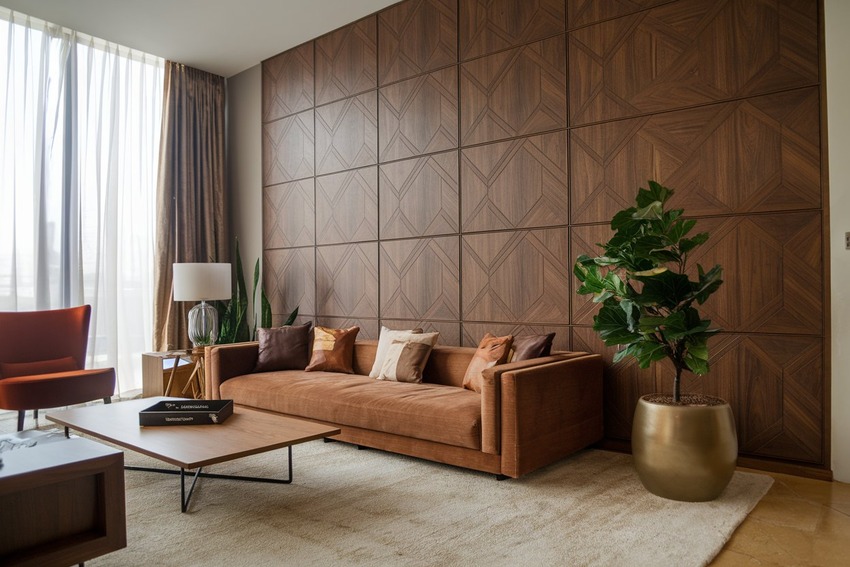
Master Decorative Panelling for a Strong Interior Design Portfolio
In the world of interior design, your portfolio speaks louder than any resume.Read More