
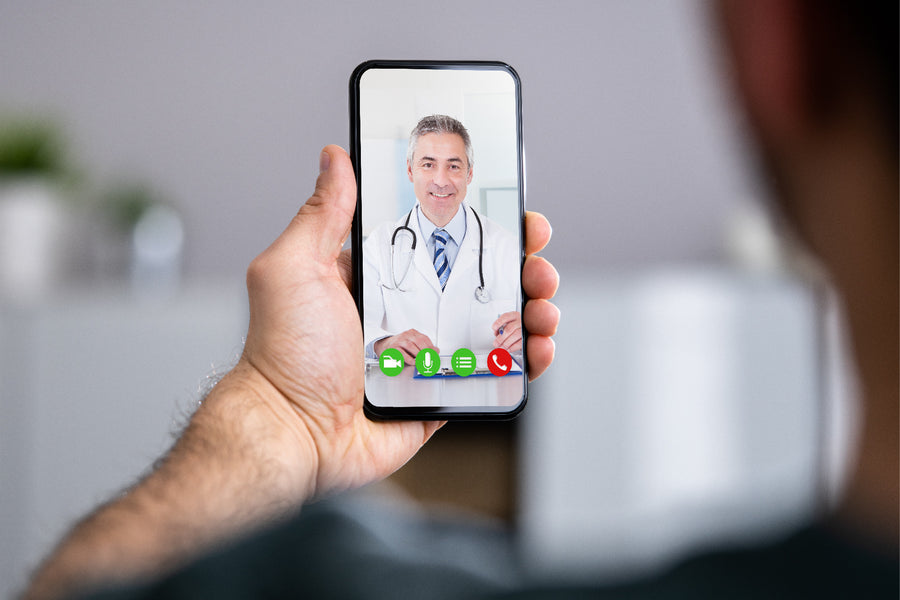
Mobile healthcare units are healthcare services that are delivered in a mobile format, often through specially equipped vehicles or trailers. These units serve as a portable alternative to traditional healthcare settings, enabling medical services to reach patients where they live, work, or study. They are equipped with cutting-edge medical tools, including mobile laboratory tables, which help facilitate tests and diagnoses on the go. Whether it’s providing primary care, urgent care, or specialised services, these mobile units are playing an increasingly important role in healthcare accessibility.
Mobile healthcare units are not just a convenience for patients—they’re also a rapidly growing sector in the healthcare industry, offering exciting career opportunities for those looking to make a difference. From doctors to medical technicians, the workforce behind these mobile units is as dynamic as the technology they use. Let’s take a closer look at the types of jobs and growth opportunities in this expanding field.
The Rise of Mobile Healthcare: A New Era in Medical Services
The demand for mobile healthcare services has surged in recent years, driven by the need for accessible, cost-effective care. Mobile healthcare units are providing essential services in rural, underserved, and emergency areas, reducing the burden on hospitals and clinics. This shift has led to an increase in mobile healthcare jobs, offering professionals the chance to work in innovative settings that are both rewarding and impactful.
Mobile healthcare units are capable of performing a wide range of services, including medical consultations, diagnostic testing, and minor surgeries. With advancements like mobile laboratory tables, the capacity to perform in-depth testing and diagnosis has significantly improved, creating a range of roles that require specialised skills and knowledge.
Roles in Mobile Healthcare Units: A Growing Demand
As mobile healthcare units become more commonplace, the variety of roles available to healthcare professionals is expanding. These roles vary from hands-on patient care to operational management and technical support, ensuring that the units run smoothly. Some of the most prominent roles in this field include:
Mobile Healthcare Physicians and Nurses
Physicians and nurses in mobile healthcare units provide essential medical services directly to patients in need. These healthcare providers are the backbone of any mobile healthcare unit, offering everything from routine check-ups to emergency care. They must be well-versed in providing medical services in a less traditional, often more challenging environment than a standard clinic or hospital.
Physicians who work in mobile units must have experience in various fields of medicine, often including urgent care, family medicine, or internal medicine. Nurses in these settings typically take on a diverse range of duties, from patient assessment to administering treatments.
Medical Technicians and Lab Specialists
Mobile healthcare units are often equipped with advanced diagnostic tools, including mobile laboratory tables, to perform blood tests, biopsies, and other necessary medical procedures. Medical technicians and lab specialists working in these environments must be highly skilled in the operation of this equipment, as well as in maintaining laboratory standards.
In mobile units, lab technicians must possess a solid understanding of diagnostic testing, laboratory procedures, and sample collection, ensuring that accurate results are produced and timely care is provided to patients.
Administrative and Operational Staff
Running a mobile healthcare unit isn’t just about healthcare provision; there are also critical logistical and administrative tasks involved. These roles include scheduling appointments, managing resources, liaising with patients, and overseeing the mobile unit’s operations. Administrative and operational staff help to keep the mobile healthcare services running smoothly, ensuring that the unit arrives on time, is fully equipped, and meets all necessary compliance standards.
Technical Support and Maintenance
Mobile healthcare units rely on a combination of complex technology, including communication systems, diagnostic tools, and mobile laboratory tables. Technical support staff play a crucial role in maintaining this technology, ensuring it functions smoothly while on the move. These professionals are responsible for ensuring that medical equipment is calibrated, maintained, and ready for use at all times. Additionally, they help troubleshoot any technical issues that arise, allowing healthcare providers to focus on patient care.
Opportunities for Growth and Career Advancement
As mobile healthcare units continue to evolve, career opportunities are expanding across a range of roles. The field offers room for growth in various capacities, from hands-on clinical roles to managerial and technical positions.
The rapid adoption of mobile healthcare means that those entering the field can expect a rewarding and dynamic career, especially in areas where healthcare access is traditionally limited. As new technologies emerge and mobile units become more advanced, there will also be an increasing need for skilled professionals to manage these innovations.
Additionally, mobile healthcare units provide professionals with the unique opportunity to work in diverse and ever-changing environments. This can lead to job satisfaction, as no two days are the same. For those interested in advancing their careers, there are ample opportunities to specialise in specific fields, pursue leadership positions, or contribute to the development of mobile healthcare innovations.