
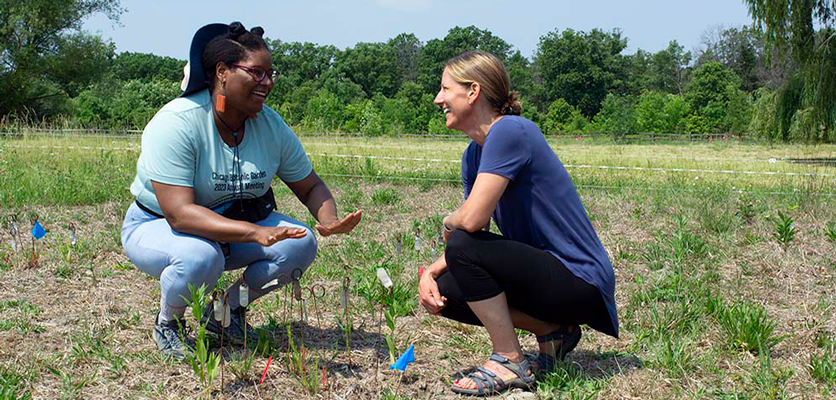
Imagine working in a field that blossoms with vibrant colour while shaping a greener future. For many aspiring farmers, the path begins with something as simple yet powerful as choosing to buy wildflower seeds. This small act sets the stage for cultivating careers that prioritise both sustainability and livelihood.
Why Sustainable Farming Matters
Sustainable farming is more than growing crops; it is about cultivating ecosystems that endure. Unlike conventional farming, which often relies heavily on chemical inputs, sustainable methods work in harmony with nature. Wild seed flowers play a critical role here. They attract pollinators, improve soil health, and create habitats for wildlife. For anyone pursuing a career in agriculture, understanding the environmental importance of these flowers is key to future success.
Opportunities in Seed Production
Seed production offers a direct entry into the sustainable farming sector. Farmers who specialise in wild seed flowers not only supply the growing demand for eco-friendly gardens but also contribute to national biodiversity goals. Careers in this niche include roles in seed harvesting, processing, quality testing, and distribution. As urban dwellers and rural communities increasingly embrace greener spaces, professionals in wildflower seed production find themselves at the forefront of an expanding market.
Sustainable Farming Enterprises
Launching or joining a sustainable farming enterprise is another career pathway. These businesses often combine crop cultivation with education and eco-tourism. By integrating wildflower meadows into their farming systems, entrepreneurs create visually appealing landscapes that also deliver ecological benefits. Job roles can vary widely, from farm management and soil conservation to visitor engagement and sustainability consultancy. For those with an entrepreneurial mindset, the possibilities extend beyond farming into holistic business models that educate and inspire.
Research and Education Careers
Scientific research underpins the growth of sustainable farming. Universities, NGOs, and agricultural research centres increasingly focus on the impact of wild seed flowers on ecosystems. Careers in this field include roles in ecology, agronomy, and plant sciences. Beyond research, educational opportunities abound. Schools, colleges, and community groups require skilled individuals to teach the benefits of sustainable farming. With wildflower meadows becoming symbols of ecological recovery, experts in this area are in growing demand.
Government and Policy Roles
As governments worldwide respond to climate change and biodiversity loss, careers in policy-making and regulation emerge. Professionals with expertise in sustainable farming and wild seed flowers can influence agricultural policy, land management strategies, and biodiversity targets. Working in local councils, environmental agencies, or non-governmental organisations provides an opportunity to shape the future of farming at a systemic level. For those with a passion for advocacy, this path blends agriculture with public service.
Skills for a Future-Proof Career
Building a career in sustainable farming requires a balance of practical and academic skills. Core skills include:
- Ecological knowledge – understanding how wild seed flowers contribute to pollination, soil health, and biodiversity.
- Practical farming skills – seed sowing, crop rotation, and organic land management.
- Business acumen – essential for those starting enterprises or working in commercial seed production.
- Communication and education – vital for raising awareness, training others, and influencing policy.
Employers increasingly seek candidates who combine traditional agricultural expertise with forward-looking sustainability practices. Continuous learning and professional development are crucial in this evolving field.
The Personal Reward
Beyond professional advancement, sustainable farming offers deep personal fulfilment. Cultivating wild seed flowers means participating in the restoration of natural landscapes. It creates opportunities to connect with communities, safeguard food systems, and leave behind a legacy of environmental stewardship. For many, this is not simply a career but a vocation that aligns personal values with professional growth.
Final Thoughts
A career in sustainable farming opens doors to diverse opportunities—from hands-on cultivation and seed production to research, policy-making, and education. By integrating wild seed flowers into farming systems, professionals not only secure their own future but also contribute to a global movement for ecological resilience. The journey may begin with a decision to buy wildflower seeds, but it can lead to a lifetime of meaningful work, supporting both livelihoods and the planet.