
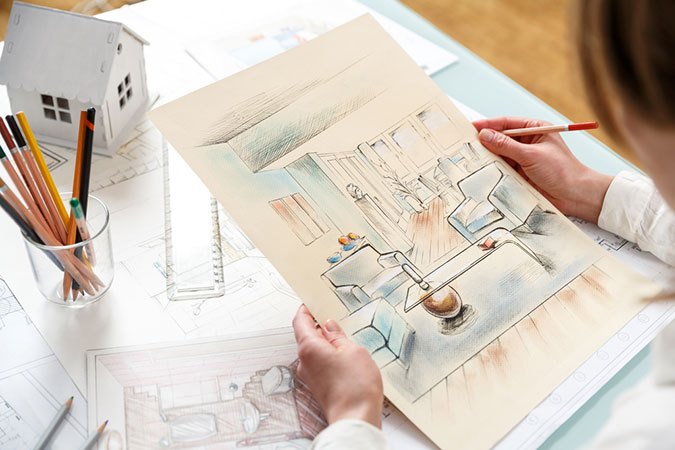
The world of interior design is evolving at a pace never seen before, creating opportunities for those who are prepared to embrace change. From sustainable practices to the creative use of hardwood wall cladding, design professionals are expected to combine artistry with technical know-how to thrive. A successful career now requires more than an eye for beauty; it demands versatility, adaptability, and a willingness to push the boundaries of creativity.
The Rise of Sustainable and Natural Materials
Sustainability has become central to modern interior design. Clients increasingly look for eco-friendly solutions that enhance both aesthetics and well-being. Natural elements such as wood, bamboo, and stone are once again in focus, with designers finding innovative ways to integrate them into contemporary spaces.
By using materials that reduce environmental impact while maintaining durability, designers not only appeal to eco-conscious clients but also showcase their ability to meet evolving industry standards. Those who master the balance between design and sustainability will find themselves well-positioned for long-term success.
Mastering the Art of Visual Storytelling
Every interior tells a story, and the role of the designer is to bring that narrative to life. Beyond arranging furniture and choosing colours, today’s professionals must understand how to create experiences through space. The ability to translate a client’s personality, lifestyle, or brand into a physical environment is what separates ordinary interiors from extraordinary ones.
Developing skills in visual storytelling requires an awareness of cultural trends, psychological influences, and design history. By blending these elements, designers can deliver interiors that resonate emotionally while standing out in a competitive marketplace.
The Importance of Technical Expertise
Behind the creative vision lies technical skill, which forms the backbone of any interior career. Proficiency in design software, spatial planning, and lighting techniques is now expected as standard. Professionals who can combine this technical knowledge with creative instincts are the ones who secure projects that push boundaries.
Equally important is the ability to communicate ideas clearly, whether through detailed sketches, digital renderings, or presentations. Technical expertise not only supports design execution but also builds trust with clients and contractors, ensuring that visions are realised without compromise.
Adaptability in a Changing Market
The interior design industry is shaped by rapid shifts in client demands, economic trends, and lifestyle changes. Remote work, urban living, and a focus on wellness have all influenced how people experience their spaces. Designers who adapt to these shifts by embracing multifunctional layouts, wellness-driven features, and flexible furniture solutions are more likely to remain relevant.
Adaptability also extends to career progression. Professionals may need to branch into consultancy, sustainable design, or even digital styling to stay ahead. Being open to growth ensures that designers can seize opportunities that emerge in unexpected areas of the market.
Crafting Unique Material Applications
One of the most effective ways to stand out in the design field is through inventive use of materials. From textured walls to creative ceiling finishes, unique applications can elevate interiors into memorable experiences.
Designers who experiment with materials to add warmth, depth, and character demonstrate both innovation and confidence. A career in interiors increasingly values those who can push material boundaries while maintaining harmony within a space. This approach not only captures client interest but also broadens professional portfolios.
Soft Skills that Shape Careers
Beyond design techniques, interpersonal abilities are vital. Interior designers must listen carefully, negotiate effectively, and manage expectations with diplomacy. Collaboration with architects, contractors, and clients requires patience and strong communication.
Time management, problem-solving, and the ability to stay calm under pressure are equally valuable. While design skills bring opportunities to the table, it is these human qualities that turn projects into lasting relationships and repeat business.
Future Outlook for Interior Careers
The career landscape for interior professionals is bright, but it rewards those who invest in continuous learning. Staying updated with design trends, technological tools, and sustainable innovations will help individuals adapt to a shifting industry.
As demand for distinctive, personalised interiors grows, so too does the need for designers who can balance creativity with practicality. Those who combine technical mastery, storytelling, and adaptability will remain in demand, regardless of changes in style or market conditions.
Conclusion
The evolving interior career landscape demands a blend of creativity, technical skill, and adaptability. From integrating sustainable materials to mastering communication, professionals who refine these abilities open doors to long-term opportunities. Design is no longer just about making spaces look attractive — it is about shaping environments that reflect identity, support well-being, and adapt to modern living. For those entering or advancing in this field, the skills cultivated today will define the successes of tomorrow.